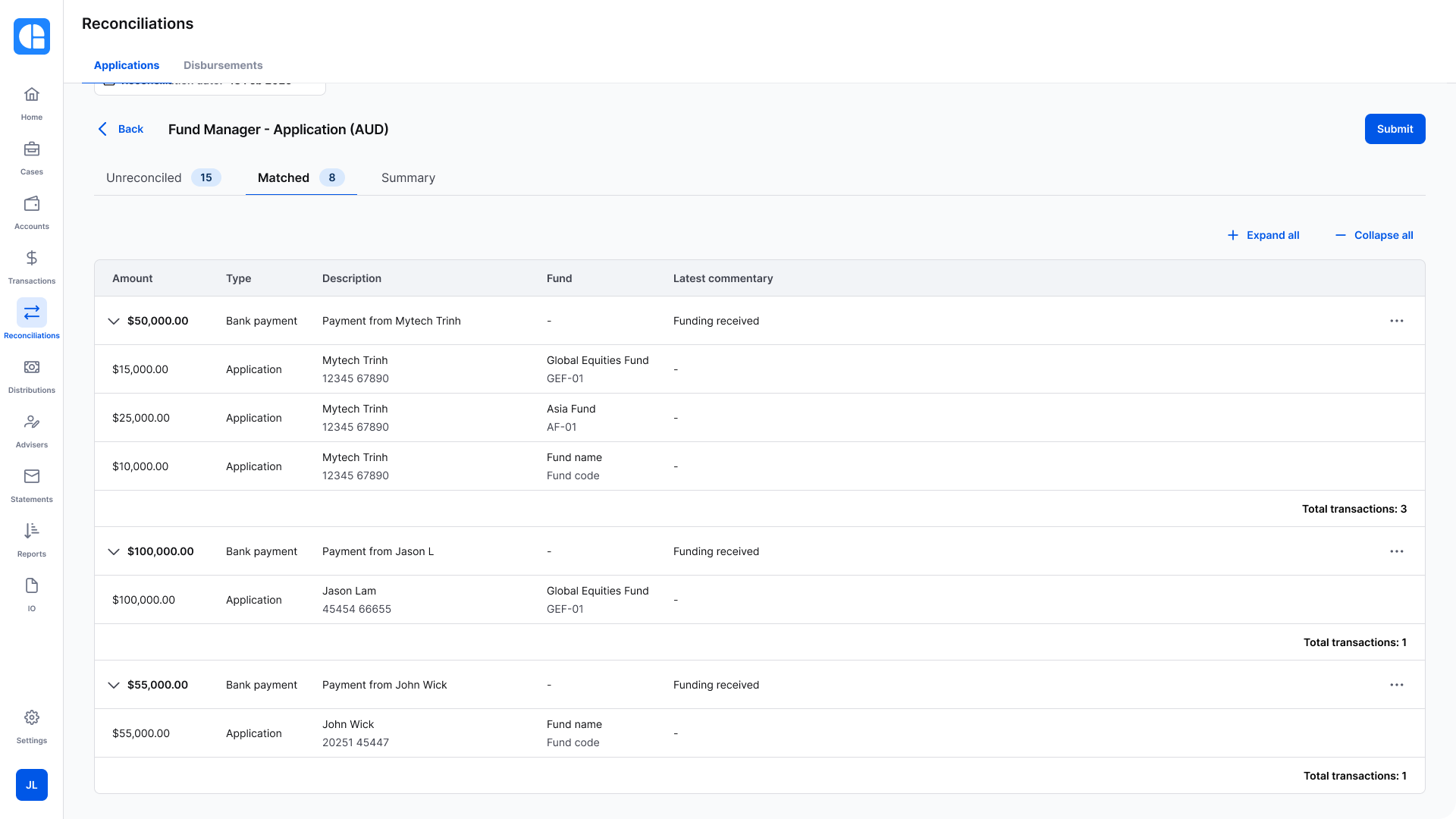
Designing for complexity
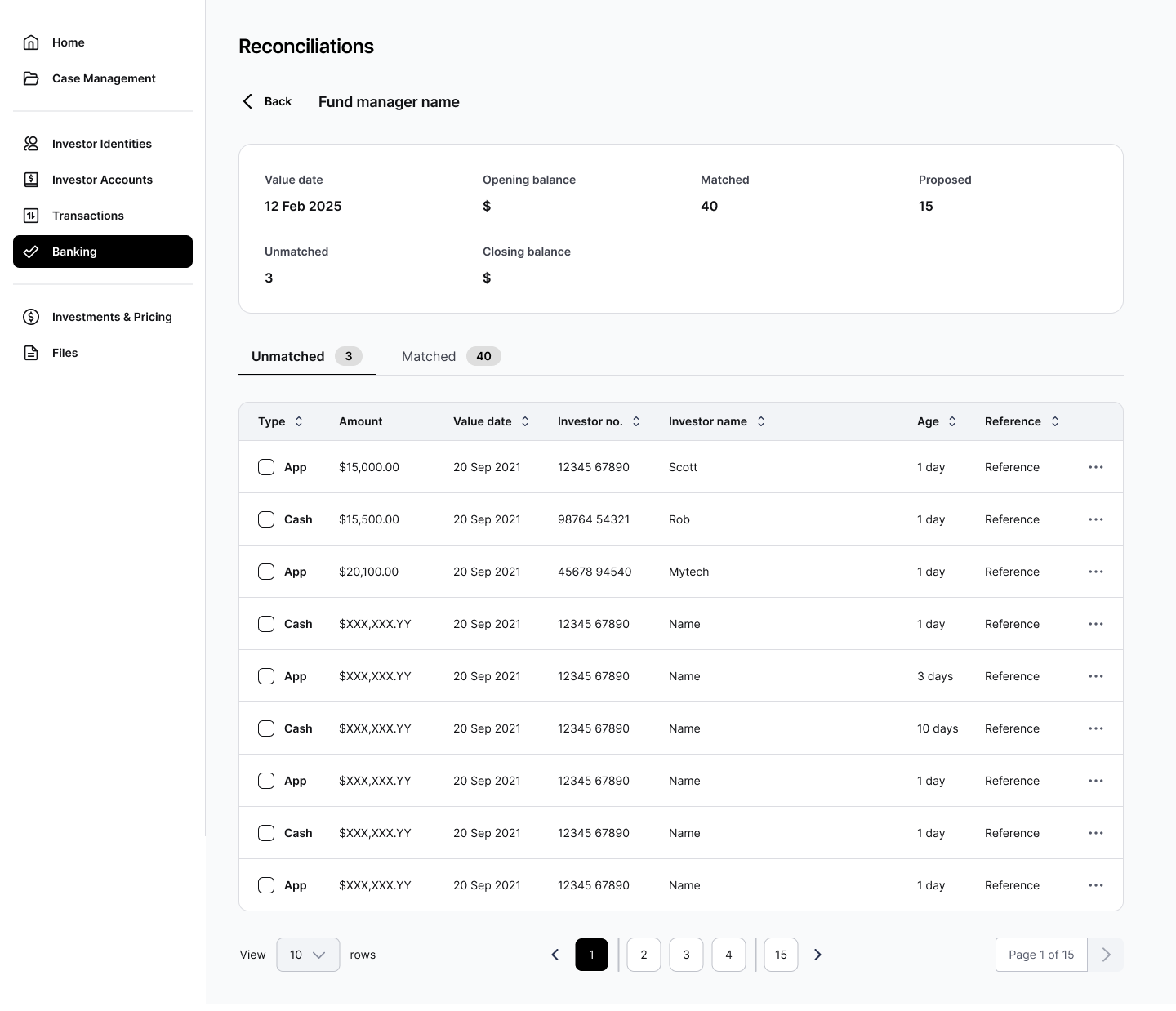
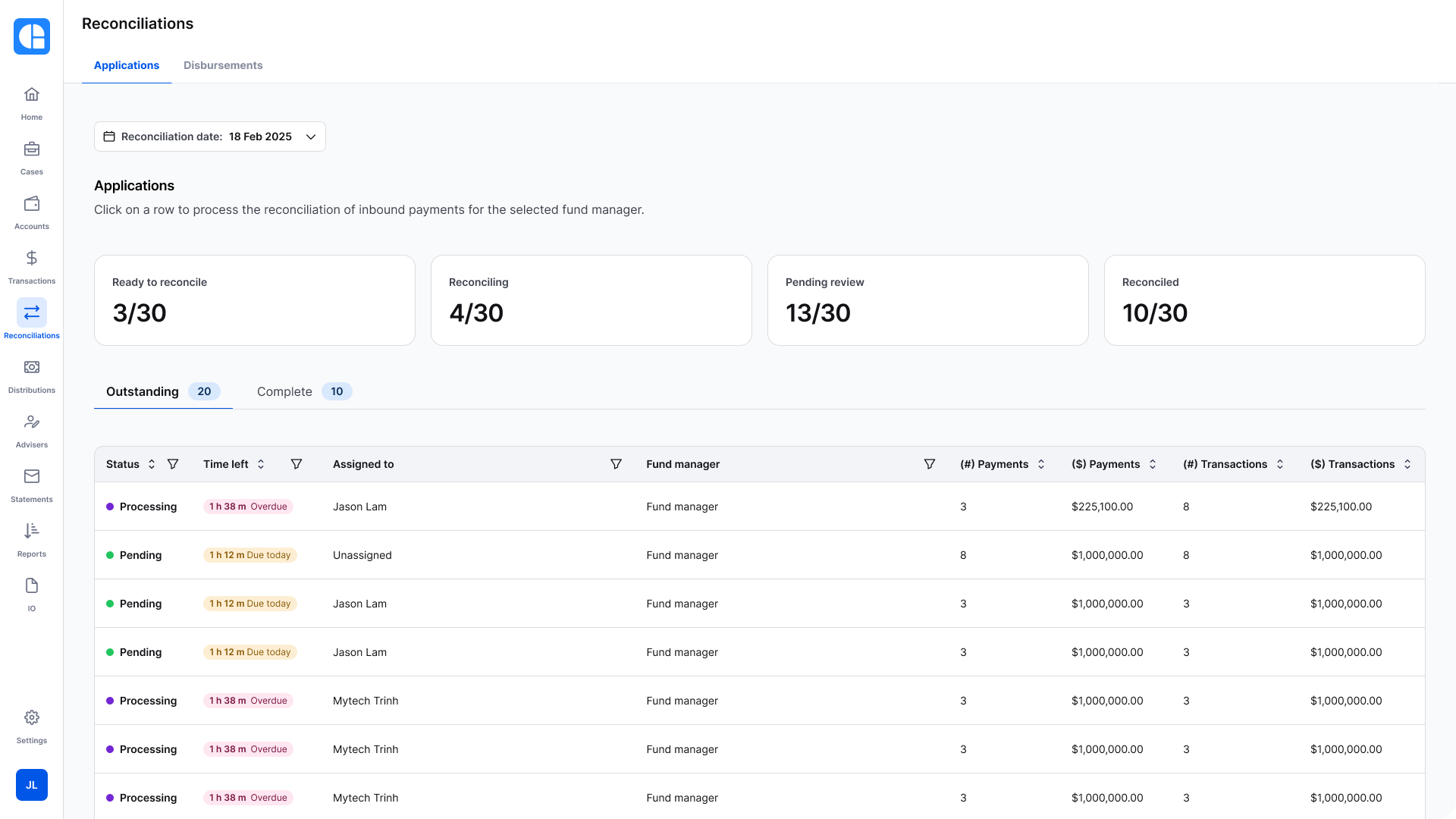
In regulated systems, design doesn’t simplify complexity — it makes it understandable. My role was not to remove constraints, but to create tools that let teams work clearly and confidently within them.
Setting the stage for design
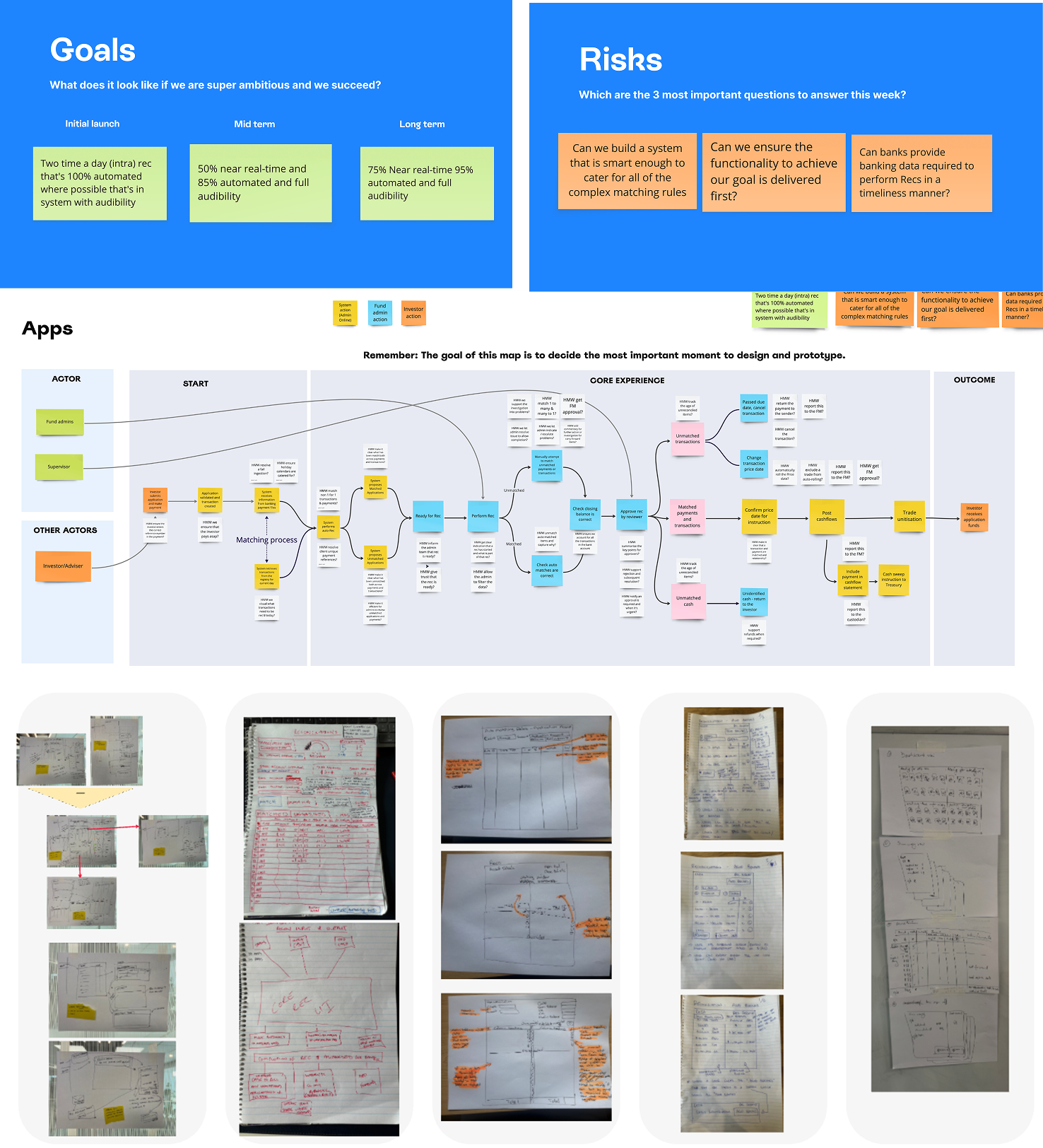
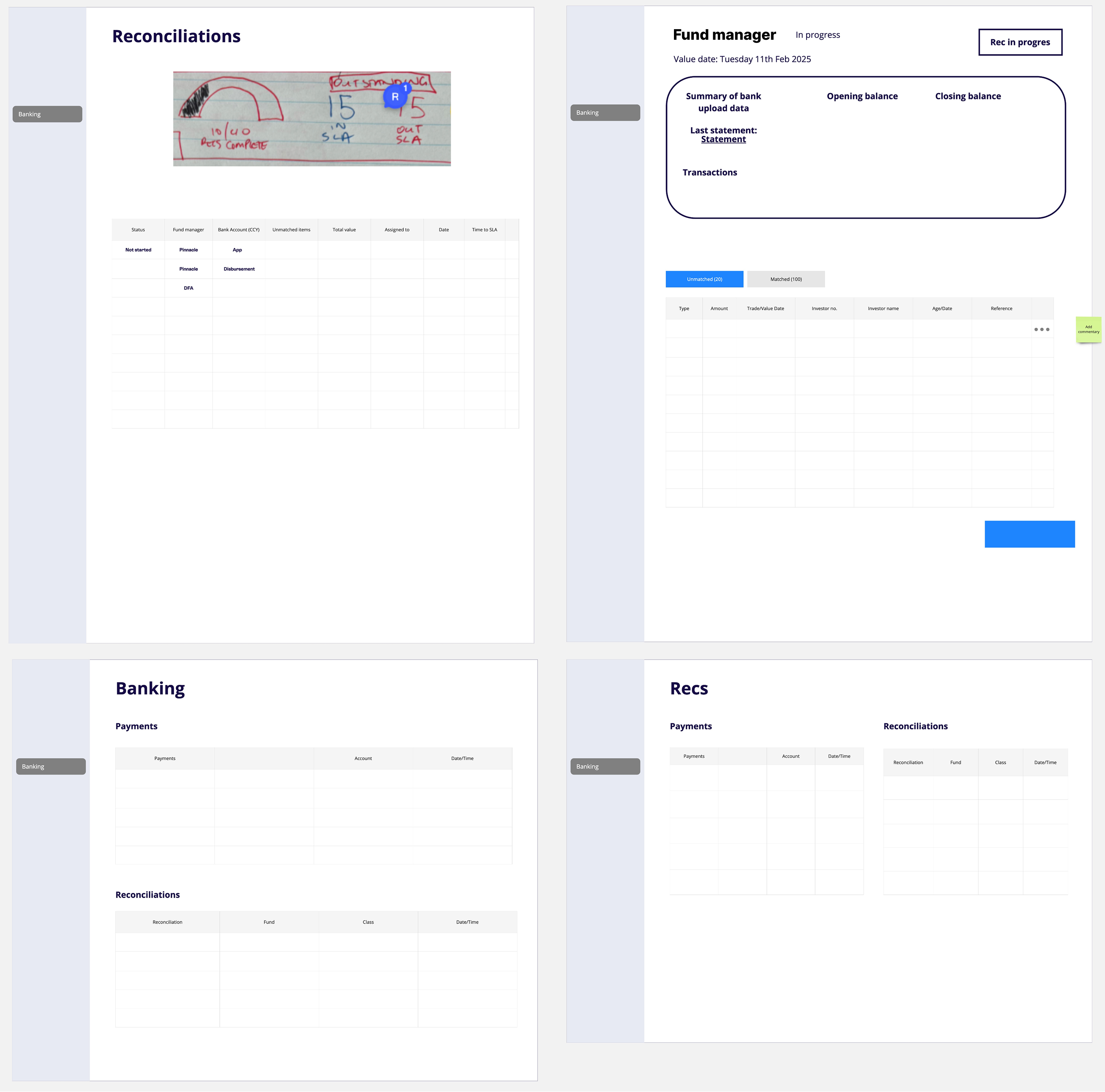
The highest-leverage work happened before screens existed: aligning stakeholders, clarifying risk, and establishing shared language. Without that foundation, any interface would have been built on assumptions rather than understanding.
Building trust across teams
Trust and buy-in are design outcomes, not prerequisites. Workshops, validation sessions, and deliberate scoping decisions weren't overhead — they were the work itself.
Shaping design leadership
This experience reinforced my approach to design leadership: focusing less on output velocity and more on creating the conditions for teams to make confident, informed decisions quickly.